
Do You Need a Skin Check? What Queenslanders Should Know
Queenslanders spend a lot of time outdoors, it’s part of daily life. Lunch breaks in the sun, weekend sport, walking along the river, or sitting outside with friends.
The same sunshine that makes Brisbane such a great place to live also brings risks.
UV exposure is the major cause of skin cancer in Australia, and even short periods of unprotected exposure can cause damage.
The good news is that many skin cancers can be treated successfully when they are found early.
In this article:
- What a skin check is
- When you should consider getting one
- How sun exposure damages skin
- Why early detection matters
What is a skin check?
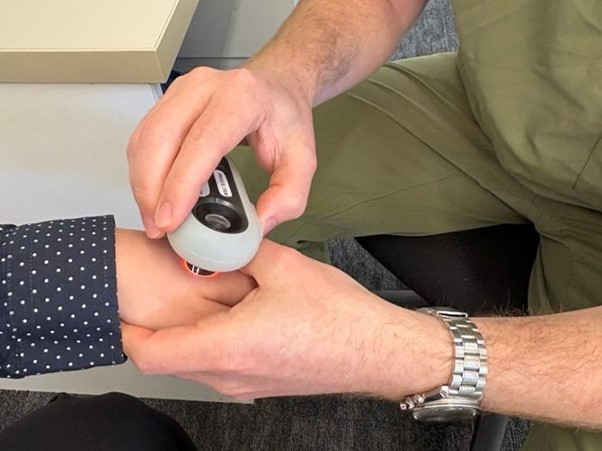
A skin check is a careful examination of your skin by a GP trained to identify early signs of skin cancer and sun damage.
During the appointment, your doctor will usually:
- Look over moles, freckles and other spots on your skin
- Use a handheld magnifying device to inspect certain marks more closely
- Check areas that are easy to miss, such as the back, scalp, or backs of the legs
- Discuss any spots that you may have noticed changing over time
Generally, appointments are straightforward and painless. They are carried out in privacy, and doctors only inspect areas of your skin that you are comfortable with.
If your doctor sees something that needs a closer look, they will explain what happens next. This may involve monitoring the area, arranging a biopsy, or discussing treatment options.
When should you get a skin check?
Many people only think about their skin when something looks obviously wrong, but it is better to be proactive.
The Cancer Council recommends seeing a doctor if you notice a new spot, a mole changing in size, shape or colour, or a sore that does not heal.
Take a look here to see signs of skin cancer by The Cancer Council, with images for reference.
Regular skin checks can also be important if you’ve had years of sun exposure, frequent sunburn when you were younger, fair skin, or a personal or family history that increases your risk.
For many Queenslanders, the end of summer is a useful prompt. Not because everyone suddenly needs an appointment on the same day, but because it is a natural time to notice what the season has left behind:
- Spots that seems darker
- A patch that stays dry and scaly, or
- Moles you are no longer sure about
Our Skin Cancer Clinic offers comprehensive services for detecting and treating these circumstances.

How the sun damages skin
Sunlight contains ultraviolet radiation, mainly UVA and UVB. UVB is more closely linked with sunburn, while UVA reaches deeper into the skin and contributes to longer-term damage and skin ageing. Both can damage the DNA inside skin cells.
When that DNA damage builds up, some cells stop behaving normally. Instead of growing, repairing and dying in an orderly way, they begin multiplying out of control. That abnormal growth is cancer.
This is something that Melanoma March aims to shine a spotlight on, as well as getting communities involved.
Some skin cancers stay close to the surface for a time, but others, like melanoma, can grow deeper and spread to other parts of the body if left untreated.
Melanoma is the most deadly form of skin cancer because it can spread through blood vessels and lymphatic channels.
Skin checks at Turbot Street Medical Centre
At Turbot Street Medical Centre in Spring Hill, skin checks are part of everyday GP care for people living, working or studying around Brisbane CBD.
Our doctors see patients from nearby suburbs including Fortitude Valley, Kangaroo Point, New Farm and South Brisbane. A skin check can be booked as its own appointment or raised during a regular visit.
The clinic is open 7 days a week and 365 days a year, helping busy patients find a suitable appointment time.
If you have noticed a changing spot, or simply think it has been a while since anyone properly checked your skin, booking an appointment is a practical next step.